
Most of life does not happen in big moments.
It happens in smaller ones. In the quiet pieces of the day that rarely get named because they do not look important enough from the outside. The cup of coffee that lands exactly right. The warm patch of sun on the floor. The text that softens your mood. The few seconds of fresh air that make you feel like you have actually arrived inside your own life again.
These moments are easy to miss.
Not because they are rare, but because attention moves quickly. The day fills up. Your mind stays busy. You rush from one thing to the next. And before you know it, something good happened, but it barely had time to register.
That is why micro-gratitude matters.
It is not about pretending every tiny thing is magical. It is not about forcing yourself to be positive. It is about learning how to notice the small moments that are already shaping the emotional texture of your day, whether you slow down enough to feel them or not.
If you want a simple place to start, the free 30-Day Journaling Challenge can help you build a small daily reflection habit without making gratitude feel like homework.
What micro-gratitude actually is
Micro-gratitude is the practice of noticing small moments of comfort, beauty, relief, or quiet goodness while they are still happening.
Not only after the fact. Not only in hindsight. While they are still alive enough to land.
It might be the smell of something cooking. A clean bed at the end of a long day. A moment of silence before the next task. The sound of rain outside. A friendly message. A soft breeze through the window. The strange relief of realizing you do not need to rush for the next five minutes.
These are not major milestones.
But they matter because most days are built from things like this. Not from life-changing announcements, huge wins, or dramatic breakthroughs. From little moments that either reach you or disappear before they can.
That is what makes micro-gratitude so powerful. It helps those moments reach you.
Why small moments affect your day more than you think
A lot of people assume the way a day feels is shaped mostly by the big things that happen.
Sometimes that is true. But often the emotional tone of a day is shaped more quietly than that. It is built through accumulation. A little too much stress. A little too much rushing. A little too much disconnection. Or on the other side, a little more beauty, a little more breathing room, a little more softness, a few more moments that remind you life is not only pressure and output.
Micro-gratitude matters because it helps you actually register those moments instead of letting them blur past.
And once you start registering them, the day changes.
Not always dramatically. But noticeably.
It feels less flat. Less mechanical. Less like something you survived and more like something you were actually inside of.
That is a bigger shift than it sounds.
This is not about forcing positivity
This part matters.
Micro-gratitude is not the same thing as pretending everything is lovely when it is not. It is not about denying stress, sadness, grief, frustration, or exhaustion. It is not about telling yourself to “just be grateful” when something genuinely hurts.
It is about making sure difficulty is not the only thing your attention knows how to hold.
Because on a hard day, small moments still matter. In some ways, they matter more.
The tea that helped. The ten-minute pause that steadied you. The person who checked in. The light through the window. The fact that you made it outside. The warm water on your skin. The one thing that softened the day, even slightly.
Micro-gratitude does not erase what is hard. It just helps you keep contact with what is still supporting you inside it.
That is a very different thing.
Why people miss these moments so easily
Usually, it is not because there is nothing to notice.
It is because attention is already elsewhere.
You are planning, checking, comparing, replaying, fixing, anticipating, reacting. Even when you are technically present, your mind is often already one step ahead or three steps behind. That speed makes it hard for anything subtle to really land.
And subtle things are often where daily life feels most human.
This is why micro-gratitude is less about creating more good moments and more about becoming available to the ones that are already there.
That availability changes things.
Not because the world suddenly transforms, but because you stop moving through it with your inner gaze locked only onto what is missing, urgent, or unresolved.
How to practice micro-gratitude without overcomplicating it
The good thing about this practice is that it does not require extra time so much as a different kind of attention.
Slow one moment down
You do not have to slow your whole life down all at once. Just slow one moment down enough to feel it.
When you take the first sip of something warm, notice it. When the air feels good, notice it. When a song catches you, do not rush past it. Let one thing arrive properly before you move on.
That is often enough.
Stay close to your senses
Micro-gratitude lives very naturally in the senses.
What feels warm? What smells good? What sounds calming? What looks beautiful in an ordinary way? What texture, color, light, movement, or tiny comfort is making this moment a little easier to be in?
The more sensory the practice becomes, the less abstract it feels.
Ask: what softened this day?
This is one of the best questions for micro-gratitude because it is simple and honest.
Not “What amazing thing happened today?”
Just: What softened this day?
That question opens a different kind of noticing. It makes room for the quiet things that helped, even if they were small.
Write down one moment before bed
You do not need a long list. One real moment is enough.
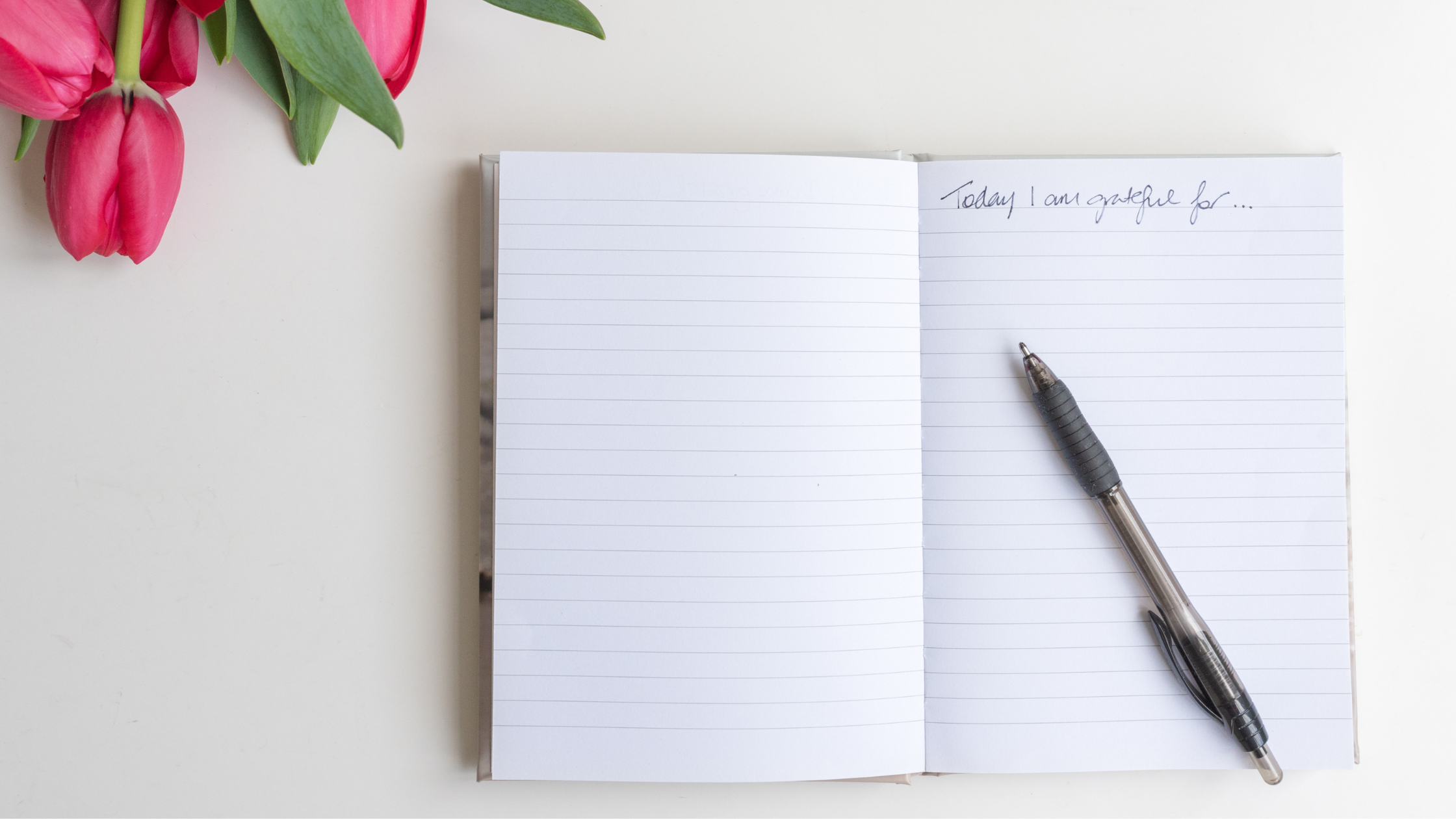
One thing that made the day feel more alive, more gentle, more beautiful, more bearable, more human. The point is not to produce a perfect gratitude practice. It is to stop the moment from disappearing completely.
That is how attention starts changing.
Let it affect how you move next
If you notice that something small matters to you, treat it like it matters.
If the quiet in the morning helps, protect a little more of it. If a certain ritual steadies you, stop acting like it is trivial. If fresh air changes your mood, take it more seriously. If someone’s kindness reaches you, say so.
Micro-gratitude becomes stronger when it moves from noticing into care.
What changes when you practice this consistently
At first, the changes may seem almost too small to count.
You notice more. You rush a little less. Your days feel slightly less blank. You start ending the evening with at least one moment that actually stayed with you. You realize your life is not as empty of goodness as your stress sometimes makes it seem.
Then something deeper starts shifting.
You become easier to ground. Hard days still happen, but they do not swallow the whole landscape as completely. You begin to trust small forms of nourishment more. You stop assuming that joy only lives in big events. You stop relating to daily life as something you must rush through until something important happens.
That is a big change, even if it grows quietly.
Because a lot of life is lost not through catastrophe, but through non-registration. Through moving too fast to let anything touch you.
Micro-gratitude helps reverse that.
A journal that fits this practice

If you want help making this a steadier habit, Gratitude in Motion fits naturally here. It gives you a place to notice the small moments, reflect on what they meant, and keep a record of the details that might otherwise disappear into the blur of the day.
That kind of structure can make a real difference, especially if you want gratitude to feel less like a concept and more like a lived part of your routine.
Final Thoughts
A meaningful life is not built only from big moments.
It is built from small ones that actually register.
That is what micro-gratitude helps you recover. Not fake positivity. Not a constant high. Just a fuller experience of the life you are already living.
The warmth. The pause. The relief. The beauty. The tiny things that make a day feel less empty and more inhabited.
Those moments may be small.
But they are not minor.
And often, they are doing much more for you than you realize.





Leave a Reply